
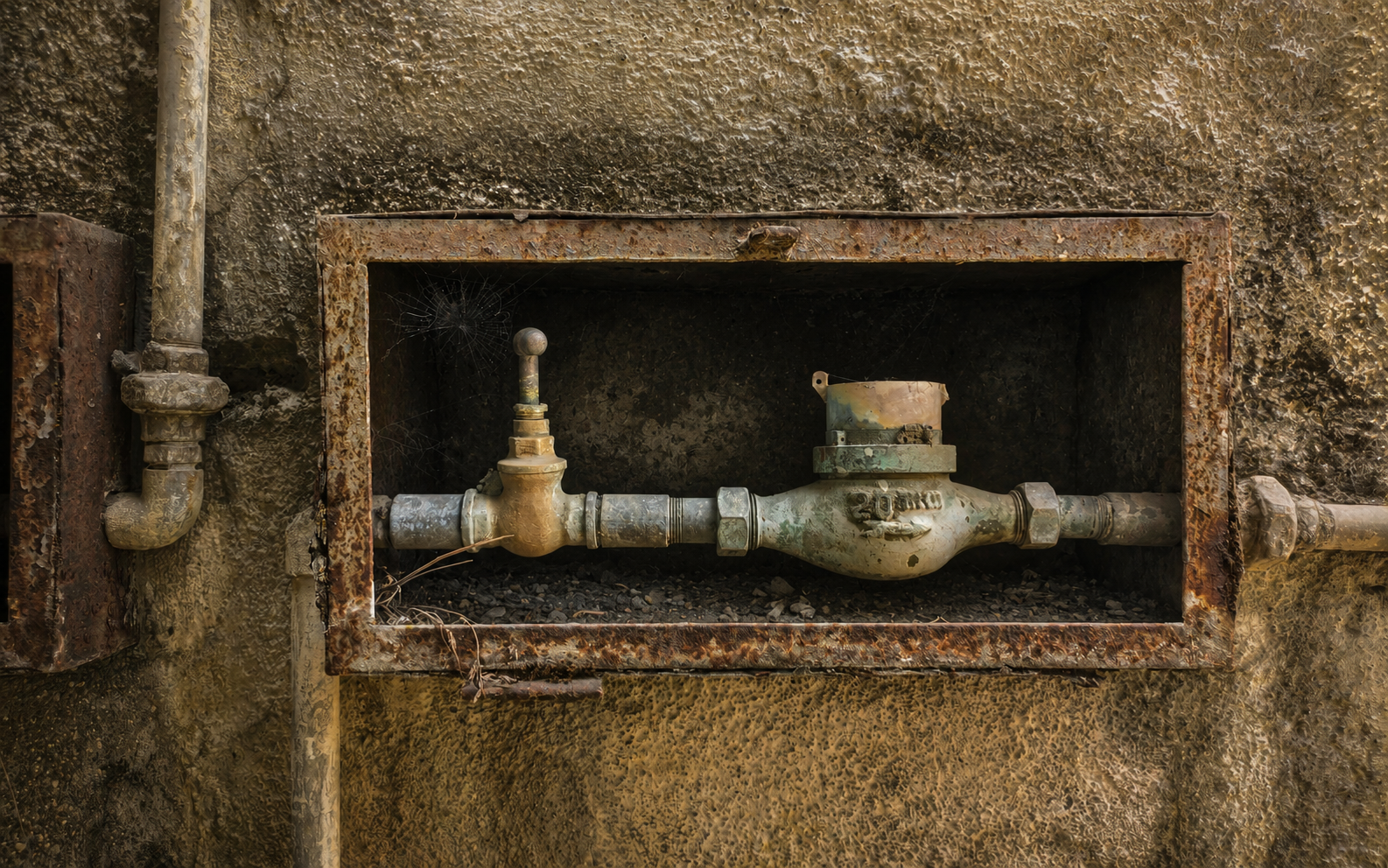
How to Retrofit Mechanical Water Meters for Smart Metering
As water utilities accelerate digital transformation, upgrading traditional water metering infrastructure has become an important priority. However, replacing thousands of existing mechanical water meters can be costly, time-consuming, and disruptive.
What if utilities could enable smart metering without replacing their existing mechanical meters?
A mechanical water meter retrofit offers a practical alternative. By integrating a wireless communication module with an existing meter, utilities can enable remote reading, automate data collection, and gradually transition toward smart water management.
This guide explores how mechanical water meter retrofitting works, its benefits compared with full meter replacement, and how solutions such as Goldcard AquaClick can simplify the transition.
1. What Is a Mechanical Water Meter Retrofit?
Mechanical water meter retrofitting involves upgrading an existing mechanical meter with additional electronic and communication capabilities while retaining the original measuring device.
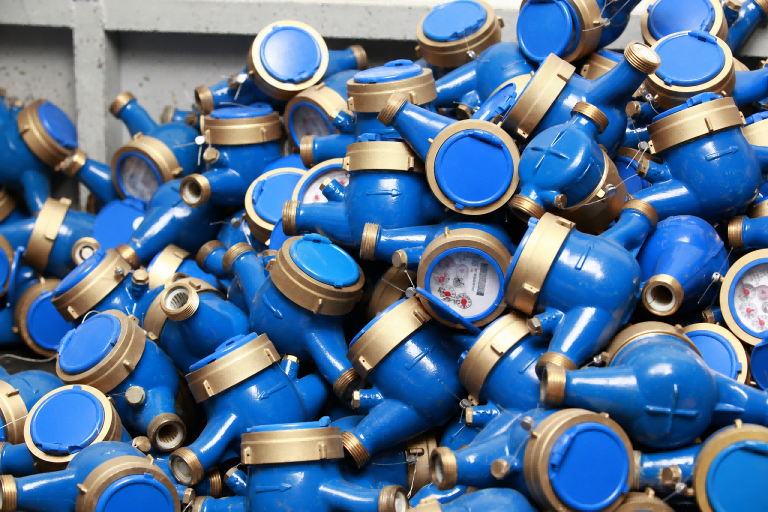
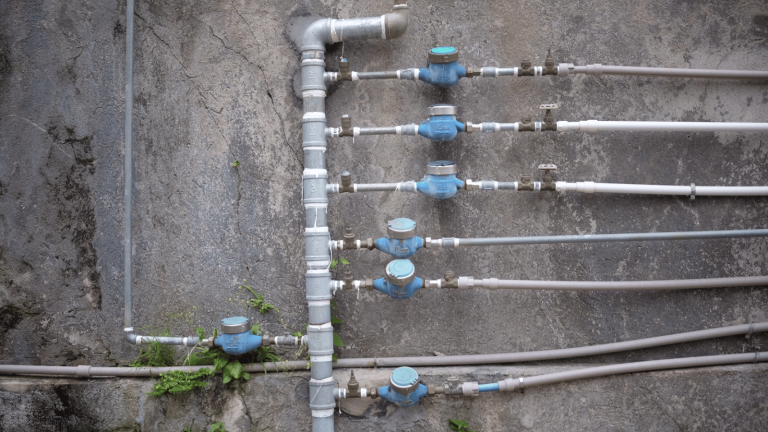
Traditional mechanical water meters measure water consumption through moving mechanical components. In many installations, readings are still collected manually.
A wireless water meter retrofit module adds a digital layer to this infrastructure, enabling functions such as:
- Automated meter reading (AMR)
- Remote consumption data transmission
- Historical consumption data storage
- Meter tampering alerts
- Integration with IoT-based water management platforms
- Consumption monitoring and analysis
Instead of replacing the complete water meter, utilities can upgrade compatible existing devices with communication modules.
Importantly, retrofitting does not automatically improve the underlying meter’s measurement accuracy. The existing mechanical meter must remain suitable for continued service.
2. Why Retrofit Mechanical Water Meters Instead of Replacing Them?
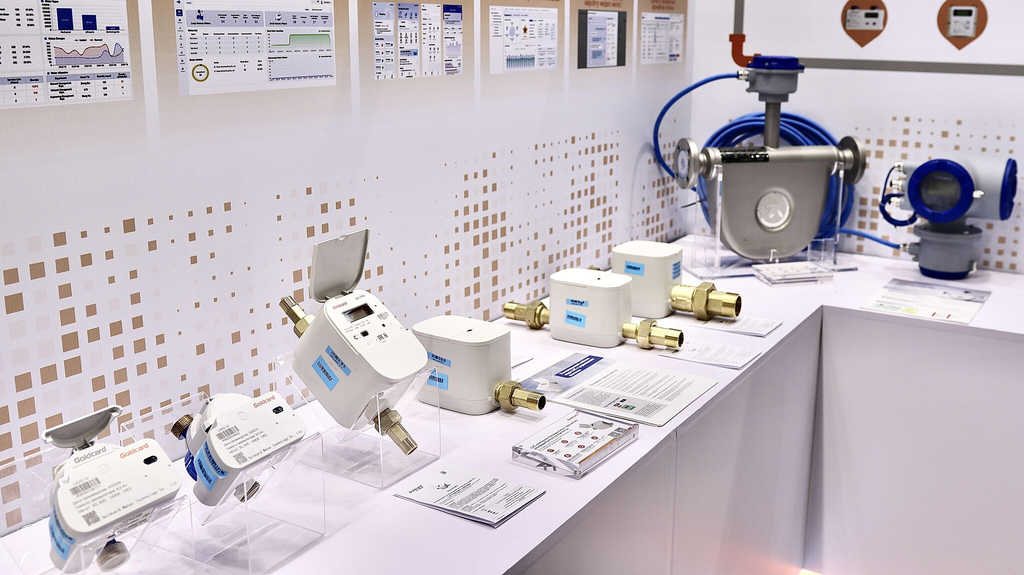
For utilities managing large installed meter populations, retrofitting can offer several operational and financial advantages.
Lower Upfront Investment
Full meter replacement requires new metering hardware, installation labor, and potentially additional pipework.
Retrofitting allows utilities to retain serviceable mechanical meters and add communication capabilities, potentially reducing the initial investment.
Less Installation Disruption
Replacing a complete water meter may require interrupting the water supply.
For compatible meters, retrofit modules can be installed without removing the existing meter body, helping simplify deployment and minimize disruption.
Extended Use of Existing Infrastructure
Mechanical meters that remain accurate and compliant may continue to serve their original measurement function.
Retrofitting allows utilities to preserve these assets while adding digital functionality.
Scalable Smart Metering Deployment
Utilities can begin with pilot areas and expand gradually, rather than replacing the entire meter population at once.
This approach allows communication coverage, installation procedures, and data integration to be evaluated before full deployment.
3. How Does a Mechanical Water Meter Retrofit Module Work?
A wireless retrofit module connects to a compatible mechanical meter and converts meter readings into digital information.
The process generally includes four stages.
Step 1: Meter Reading
The retrofit module captures meter information using a compatible sensing or reading interface.
Depending on the product, this may involve magnetic sensing, non-magnetic sensing, or other supported reading methods.
Step 2: Data Processing and Storage
The module processes the collected readings and stores consumption information locally.
Some solutions also record abnormal events and alarms.
Step 3: Wireless Data Transmission
The module transmits consumption data using a supported wireless network, such as NB-IoT, LTE Cat.1, or LoRaWAN.
Step 4: Data Management
The collected information is transmitted to an IoT platform or utility management system.
Utilities can use this data for remote meter reading, billing support, consumption analysis, and network monitoring.
The result is a connected metering system built around existing mechanical water meter infrastructure.
4. Mechanical Water Meter Retrofit vs. Full Replacement
When planning a smart metering project, utilities must decide whether to retrofit existing meters or replace them with new smart meters.
| Factor | Mechanical Meter Retrofit | Full Smart Meter Replacement |
|---|---|---|
| Existing meter | Retained | Replaced |
| Initial hardware cost | Potentially lower | Typically higher |
| Installation | May be simpler for compatible meters | Requires meter replacement |
| Water interruption | May not be necessary | May be required |
| Remote reading | Supported with suitable modules | Supported by compatible smart meters |
| Measurement accuracy | Depends on existing meter | Depends on new meter |
| Asset utilization | Extends use of existing meters | Introduces new hardware |
| Long-term suitability | Depends on remaining meter life | Depends on new meter lifecycle |
When Is Retrofitting the Better Option?
Retrofitting is worth considering when existing meters are accurate, structurally sound, and compatible with the proposed communication module.
Full replacement may be more appropriate when meters are aging, inaccurate, damaged, or unable to support the required functions.
For many utilities, a hybrid strategy—retrofitting suitable meters while replacing others—can provide a balanced modernization approach.
5. What Should Utilities Consider Before Choosing a Retrofit Solution?
Not all wireless retrofit modules offer the same capabilities.
Before selecting a solution, utilities should evaluate the following factors.
Compatibility With Existing Mechanical Meters
Meter populations often include different brands, models, and register designs.
A suitable retrofit solution should accommodate the existing meter types or provide appropriate adapters and installation configurations.
Reliable Meter Reading
Accurate and consistent conversion of mechanical readings into digital data is essential.
Utilities should evaluate reading success rates, sensing methods, and the module’s ability to maintain reliable performance under field conditions.
Communication Flexibility
Network infrastructure varies by region.
Support for different communication technologies can help utilities select suitable configurations for urban, rural, or geographically dispersed deployments.
Long-Term Durability
Retrofit modules are frequently installed in challenging environments, including underground meter chambers.
Environmental protection, battery management, and service life are important considerations.
Data Storage and System Integration
Local data storage can help preserve consumption records between communication sessions.
Compatibility with utility management platforms is also essential for large-scale deployments.
6. Introducing AquaClick: Turn Existing Mechanical Meters into Smart Meters
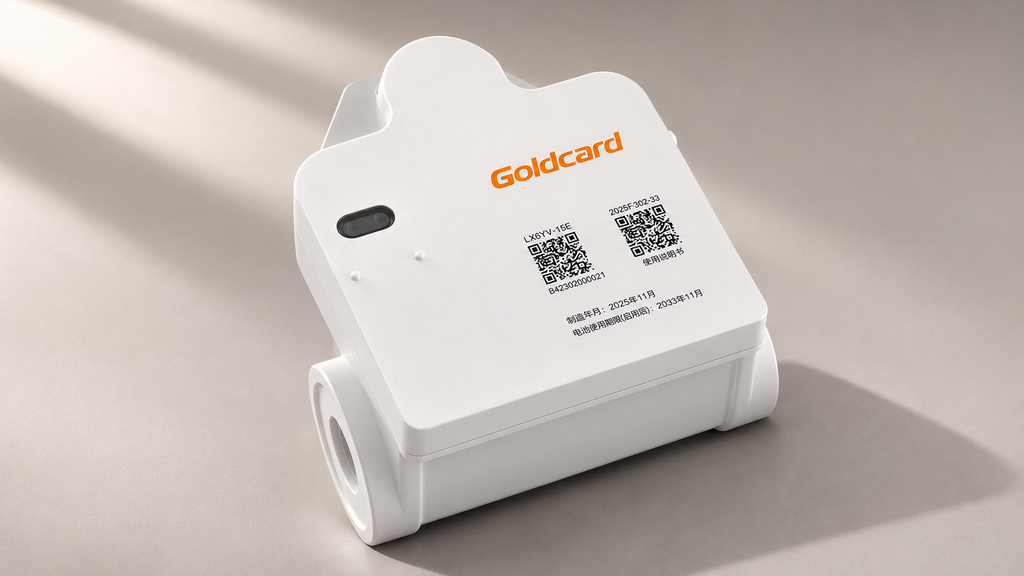
Goldcard AquaClick Wireless Remote Transmission Module is designed to upgrade mechanical water meters with remote communication and digital data collection capabilities.
Rather than replacing the complete meter, AquaClick integrates meter reading, data storage, wireless communication, and local communication functions into a compact module.
Its design supports mechanical water meter modernization projects where utilities want to preserve existing metering assets while introducing smart functionality.
Flexible Compatibility and Easy Installation
AquaClick supports both magnetic and non-magnetic sampling methods, providing flexibility for different mechanical meter configurations.
Its modular adapter design helps simplify installation and supports integration with a range of existing mechanical water meters.
Compatibility should be confirmed against the specific meter model and register design before deployment.
Multiple Wireless Communication Options
AquaClick supports:
- NB-IoT
- LTE Cat.1
- LoRaWAN
These options allow utilities to select communication configurations according to local network availability and project requirements.
The module also supports infrared local communication for configuration and maintenance.
IP68 Protection and Long Service Life
Designed for demanding installation environments, AquaClick features:
- IP68 protection
- Specified service life of more than 15 years
- Replaceable battery design
- Low-power operation
These features support long-term deployment and maintenance planning.
Actual service life and battery replacement intervals depend on operating conditions and configuration.
Reliable Meter Reading and Data Storage
According to the product specifications, AquaClick provides a primary meter reading success rate of at least 99% under specified conditions.
Its onboard data storage supports:
- Latest 30 days of half-hourly data
- Latest 90 days of daily data
- Latest 24 months of monthly data
- Records of 10 abnormal alarm events
- Logging of key events and alarms
These capabilities help preserve historical consumption information and support remote monitoring.
Optimized Wireless Performance
AquaClick uses Goldcard’s patented antenna technology, designed to provide signal strength more than 30% higher than typical comparison products under the manufacturer’s stated test conditions.
The module also supports adaptive communication frequency adjustment based on signal conditions to help manage energy consumption.
Tamper Protection and Security Monitoring
AquaClick incorporates physical tamper-resistant design and anti-theft alarm capabilities.
Together with event logging and remote communication, these functions support improved visibility into meter status and abnormal events.
7. AquaClick Technical Specifications
The following specifications summarize the key capabilities of the AquaClick Wireless Remote Transmission Module.
| Specification | AquaClick |
|---|---|
| Product Type | Wireless Remote Transmission Module |
| Application | Mechanical water meter retrofitting |
| Sampling Method | Magnetic and non-magnetic |
| Electro-mechanical Conversion Error | ≤1 pulse |
| Primary Meter Reading Success Rate | ≥99% |
| Communication | NB-IoT, LTE Cat.1, LoRaWAN |
| Local Communication | Infrared |
| Protection Rating | IP68 |
| Specified Service Life | More than 15 years |
| Battery | Replaceable |
| Local Data Storage | Half-hourly, daily, and monthly records |
| Event Logging | Key events and abnormal alarms |
| Storage Temperature | −10°C to +55°C |
Specifications are based on the AquaClick product documentation. Communication options, compatibility, service life, and operating performance should be confirmed for the selected configuration and deployment conditions.
8. From Mechanical Meter Retrofitting to Smarter Water Management
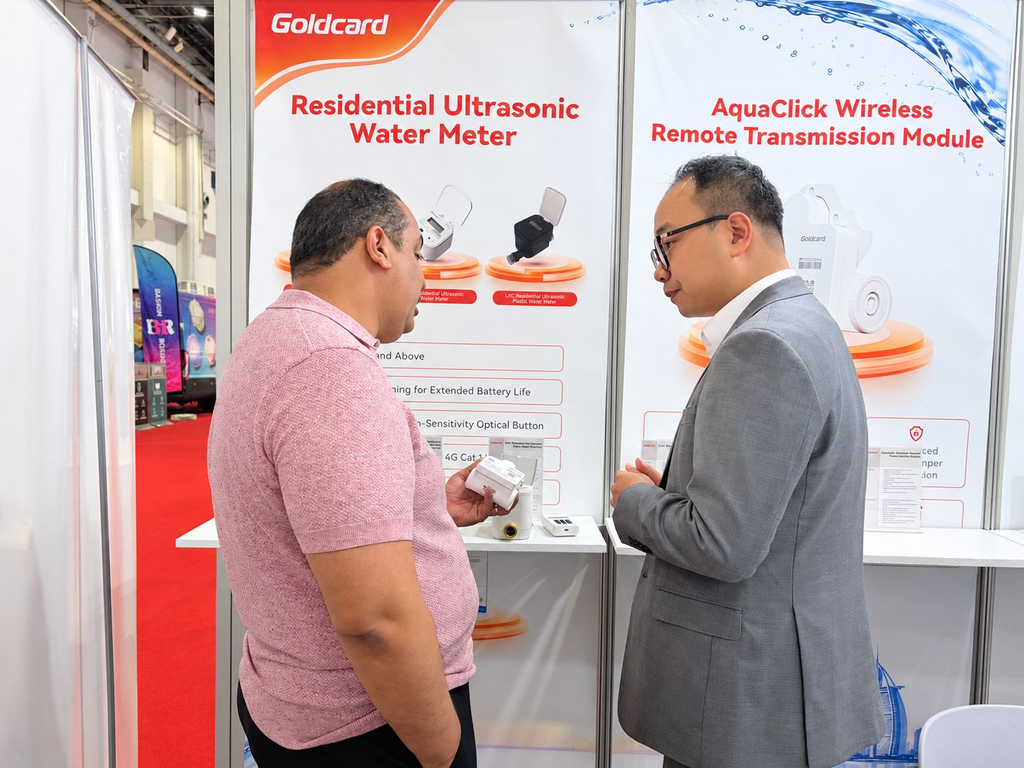
The value of retrofitting extends beyond remote meter reading.
When connected to a compatible IoT platform, retrofit modules can support broader water management applications.
Automated Meter Reading: Reduce reliance on manual meter reading and improve access to consumption information.
Consumption Analysis: Use historical readings to understand water consumption patterns.
Abnormal Usage Monitoring: Identify unusual consumption behavior through suitable platform analytics.
Billing Support: Provide consumption data for integration with utility billing workflows.
Water Network Management: Combine meter data with other network information to support operational monitoring and water loss analysis.
For utilities, this creates a practical pathway from traditional mechanical metering toward connected, data-driven water management.
Conclusion: Modernize Existing Water Meters with AquaClick
Smart water metering does not always require complete meter replacement.
For utilities with serviceable mechanical water meters, retrofitting can provide a practical way to introduce remote reading, wireless communication, and digital consumption monitoring while preserving existing infrastructure.
Goldcard AquaClick brings together flexible meter compatibility, NB-IoT/LTE Cat.1/LoRaWAN connectivity, IP68 protection, long-term service design, and reliable data collection in one wireless retrofit solution.
Whether you are planning a small pilot or a large-scale meter modernization program, AquaClick can help you evaluate a more flexible approach to smart metering deployment.
Upgrade Your Mechanical Water Meters with AquaClick
Looking to modernize your existing mechanical water meter network?
Discover how Goldcard AquaClick can support your next smart water metering project.
Contact Goldcard Water Solutions to discuss meter compatibility, communication requirements, and deployment options.
Email: water@goldcardmetering.com
Frequently Asked Questions
Can existing mechanical water meters be upgraded for remote reading?
Yes. Compatible mechanical water meters can be upgraded with wireless retrofit modules that enable digital data collection and remote communication without replacing the meter body.
Is retrofitting cheaper than replacing water meters?
Retrofitting may reduce initial hardware and installation costs when existing meters are compatible and remain in good condition. Total costs depend on the module, installation, communication infrastructure, and remaining meter service life.
Does AquaClick support different mechanical water meters?
AquaClick supports magnetic and non-magnetic sampling methods and uses a modular adapter design. Compatibility with specific meter models should be verified before installation.
Which wireless communication technologies does AquaClick support?
AquaClick supports NB-IoT, LTE Cat.1, and LoRaWAN, allowing utilities to select suitable connectivity options based on network availability and project requirements.
What is the service life of AquaClick?
The product documentation specifies a service life of more than 15 years. Actual operating life and battery replacement requirements depend on environmental conditions, communication settings, and maintenance.
Can AquaClick store meter readings locally?
Yes. AquaClick supports local storage of half-hourly, daily, and monthly consumption data, along with abnormal alarm records and event logging.

-
No. 161, Yuancheng Road, Qiantang District, Hangzhou, Zhejiang Province
Gas Solutions
Water Solutions
Process Measurement
Resources
About Goldcard
Copyright © 2025 Goldcard Smart Group Co., Ltd. All Rights Reserved