
How to Choose a Water Meter Manufacturer: 10 Factors Utilities Should Consider
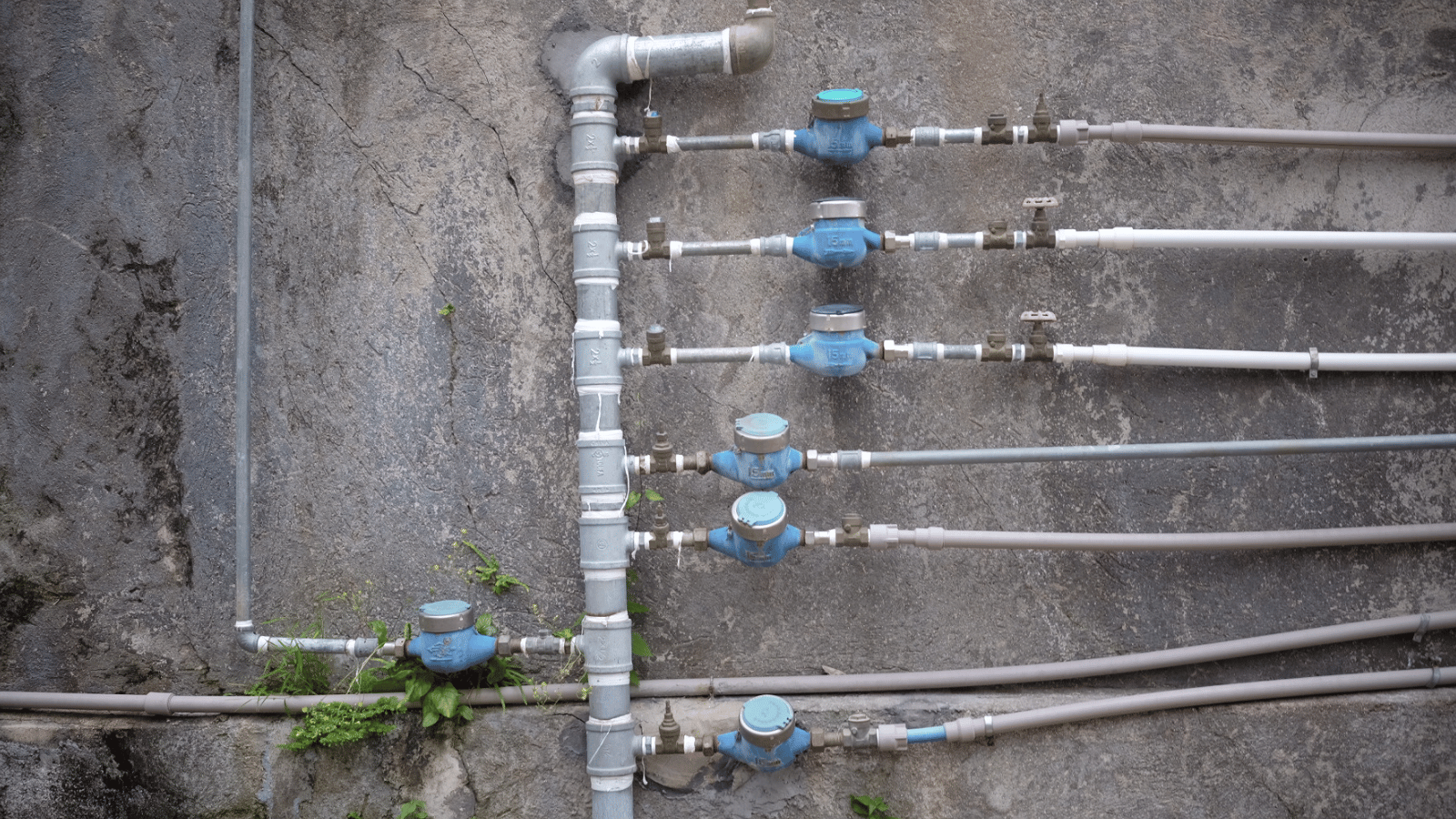
Selecting a water meter manufacturer is an important decision for water utilities, distributors, EPC contractors, and metering project developers. A water meter is not simply a measuring device. Its accuracy, durability, connectivity, certification, and long-term support can directly affect billing accuracy, revenue management, operational efficiency, and the performance of a smart water metering project.
With the growing adoption of smart metering, utilities are also evaluating manufacturers based on more than traditional mechanical meter specifications. Smart water meters, AMR/AMI connectivity, remote data collection, leak detection, and platform integration are increasingly part of the procurement process.
So, how should utilities evaluate a water meter manufacturer?
Here are 10 factors to consider before selecting a water meter supplier.
1. Product Accuracy and Measurement Performance
Accuracy should be one of the first criteria when evaluating a water meter manufacturer.
For utilities, measurement accuracy affects both revenue collection and customer billing. A meter that performs poorly at low flow rates or under changing operating conditions may lead to measurement errors over its service life.
When comparing manufacturers, look beyond a single accuracy figure. Consider:
- Measurement accuracy across different flow rates
- Minimum flow rate and starting flow
- Accuracy ratio, such as R250 or R400
- Pressure loss
- Long-term measurement stability
- Performance under different installation conditions
For smart water metering projects, utilities should also consider whether electronic components, sensors, communication modules, and software maintain reliable measurement performance as part of the complete metering system.
2. Compliance With International Standards and Certifications
A qualified water meter manufacturer should be able to demonstrate compliance with the standards and certification requirements relevant to the target market.
One important international reference is OIML R 49, which covers water meters for cold potable water and hot water. OIML lists water meters under Recommendation R 49 within its certification system, and the 2024 edition includes requirements covering areas such as measurement performance and software-controlled water meters.
Depending on the market and project requirements, buyers may also need to evaluate certifications or approvals such as:
- OIML R 49
- MID
- WRAS
- National or regional legal metrology approvals
- Drinking water contact requirements
- Relevant quality management certifications
However, certification should not be evaluated simply by counting certificates.
The more important question is:
Does the manufacturer’s certification portfolio match the regulatory requirements of your target market?
OIML notes that OIML-CS certificates and associated type evaluation reports may be used as a basis for national or regional type approval, depending on the relevant authority and national requirements.
3. Product Portfolio and Metering Technology
Different water networks require different meter technologies.
A manufacturer with a broad product portfolio can make it easier to select the right technology for different applications.
Common water meter technologies include:
Mechanical Water Meters
Mechanical meters remain widely used for conventional residential and commercial applications.
Ultrasonic Water Meters
Ultrasonic water meters measure flow using ultrasonic signals and can offer advantages for smart metering applications, including electronic measurement and advanced data capabilities.
Smart Water Meters
Smart meters combine metering with communication technologies to enable remote data collection and other digital water management functions.
When evaluating a smart water meter manufacturer, utilities should consider whether the manufacturer can support different meter sizes, flow ranges, communication technologies, and installation environments.
4. Communication and Connectivity Options
A smart water meter is only as useful as its ability to communicate reliable data.
Depending on the local infrastructure and project requirements, smart water meters may use technologies such as:
- NB-IoT
- LTE Cat.1
- LoRaWAN
- RF
- 450 MHz communication
- Other cellular or radio communication technologies
The right choice depends on factors such as network coverage, deployment environment, data requirements, battery consumption, infrastructure availability, and total cost of ownership.
For utilities planning an AMR or AMI project, it is therefore important to ask:
Can the manufacturer provide the communication technology required by the project, rather than offering only one connectivity option?
Connectivity flexibility can be particularly important when deploying smart water meters across different cities or countries.
5. Battery Life and Long-Term Reliability
Many smart water meters are installed in locations where replacing batteries is difficult or expensive.
A manufacturer should therefore provide clear information about:
- Expected battery life
- Operating conditions
- Communication frequency
- Battery technology
- Low-power management
- Environmental conditions
- Maintenance requirements
Battery life should not be evaluated in isolation.
For example, communication frequency, network conditions, transmission power, valve operation, temperature, and other functions can affect actual energy consumption.
Utilities should therefore request application-specific battery life expectations rather than relying only on a general product specification.
6. Environmental Protection and Installation Conditions
Water meters are frequently installed in challenging environments, including meter pits, underground chambers, outdoor cabinets, and areas exposed to moisture or temperature variations.
For this reason, the enclosure and environmental protection of a meter are important procurement considerations.
Depending on the application, utilities may need to evaluate:
- IP rating
- Temperature range
- Humidity resistance
- Water and dust protection
- Pressure rating
- Mechanical durability
- Condensation resistance
- Installation orientation
For example, an IP68 water meter may be relevant for installations where the meter can be exposed to significant water ingress.
The appropriate protection level should always be evaluated according to the actual installation environment and applicable standards.
7. Data Platform and System Integration
Modern water metering projects increasingly involve more than the meter itself.
Utilities may need to integrate meter data with:
- AMR/AMI systems
- Meter Data Management Systems (MDMS)
- Billing systems
- GIS
- SCADA
- Customer portals
- Leak detection systems
- Water network management platforms
Therefore, when selecting a smart water meter supplier, ask about the complete data architecture.
Important questions include:
- How is meter data transmitted?
- How frequently can data be collected?
- Can the system support remote meter configuration?
- Can the platform integrate with existing utility systems?
- Are APIs available?
- How is data secured?
- Can the system support large-scale deployments?
A smart meter project should be evaluated as an end-to-end system, not simply as a hardware purchase.
8. Manufacturing Capacity and Quality Control
For utility-scale projects, manufacturing capability matters.
A manufacturer should be able to demonstrate that it can consistently produce the required volume while maintaining product quality.
When assessing a water meter manufacturer, utilities and procurement teams can review:
- Manufacturing facilities
- Production capacity
- Quality control procedures
- Incoming material inspection
- Production testing
- Calibration and verification processes
- Final inspection
- Traceability
- Quality management systems
It is also worth asking how the manufacturer manages quality when production volumes increase.
A successful pilot project does not automatically guarantee consistent performance across a large-scale deployment.
9. Supply Chain Stability and After-Sales Support
Water meters can remain in the field for many years. As a result, procurement decisions should consider the entire product lifecycle.
Ask potential manufacturers about:
- Component availability
- Product lifecycle management
- Spare parts
- Firmware updates
- Technical documentation
- Warranty policy
- Training
- Installation support
- Troubleshooting
- Long-term technical support
For utilities, the cost of a meter should therefore not be evaluated only by its initial purchase price.
A more useful approach is to consider total cost of ownership (TCO):
Purchase → Installation → Communication → Maintenance → Data Management → Replacement
A lower initial unit price may not necessarily result in a lower overall project cost.
10. Experience With Utility-Scale Projects
Finally, evaluate the manufacturer’s project experience.
A manufacturer may have an attractive product specification, but large-scale water metering projects involve many additional challenges.
Consider whether the manufacturer has experience with:
- Residential metering
- Commercial metering
- District Metering Areas (DMAs)
- AMR deployments
- AMI deployments
- NRW reduction projects
- Smart water platforms
- Large-scale utility projects
- International deployments
Ask for relevant project references where possible.
The objective is not simply to find a manufacturer that can supply meters.
It is to find a partner capable of supporting the entire lifecycle of the metering project.
Water Meter Manufacturer Selection Checklist
Before selecting a supplier, utilities can use the following checklist:
| Evaluation Factor | Questions to Ask |
| Accuracy | Does the meter meet the required accuracy and flow range? |
| Certification | Does it meet the regulations of the target market? |
| Technology | Mechanical, ultrasonic, or smart metering? |
| Connectivity | NB-IoT, LTE Cat.1, LoRaWAN, RF, 450 MHz, etc.? |
| Battery | What is the expected service life under actual operating conditions? |
| Durability | Is the meter suitable for the installation environment? |
| Integration | Can the system integrate with existing utility platforms? |
| Manufacturing | Can the supplier support the required project volume? |
| Supply Chain | Can components and products be supplied consistently? |
| Support | What technical and after-sales support is available? |
| Experience | Does the manufacturer have relevant utility project experience? |
Why Choosing the Right Water Meter Manufacturer Matters
A water meter project is a long-term investment.
The right water meter manufacturer should be able to provide more than a compliant measuring device. Utilities increasingly need a combination of:
Accurate Metering + Reliable Hardware + Connectivity + Data + Software + Technical Support
This is particularly important as utilities move from traditional meter reading toward smart water metering, AMR, AMI, NRW management, and data-driven water network operations.
A manufacturer’s ability to support these different layers can ultimately have a significant impact on the scalability and long-term performance of a project.
Why Choose Goldcard Water Solutions?
Goldcard Water Solutions provides smart water metering products and solutions for utilities, distributors, and water projects.
Our portfolio covers smart water meters, ultrasonic water meters, communication technologies, and digital water solutions, supporting different requirements from metering hardware to connected water management.
With experience in international markets, Goldcard Water Solutions focuses on combining precision metering, reliable connectivity, and digital technologies to support smarter water management.
Whether you are evaluating a new smart water meter project, upgrading an existing AMR/AMI system, or looking for a long-term water meter manufacturer, the right starting point is to define your technical, regulatory, connectivity, and lifecycle requirements.
Looking for a water meter manufacturer for your next project? Contact Goldcard Water Solutions to discuss your requirements.
FAQ
What should I consider when choosing a water meter manufacturer?
Key factors include measurement accuracy, certification, product technology, communication options, battery life, environmental protection, system integration, manufacturing capacity, supply chain stability, after-sales support, and project experience.
What is the difference between a water meter manufacturer and a water meter supplier?
A manufacturer designs and/or produces the water meter, while a supplier may distribute products from one or more manufacturers. For large utility projects, working directly with an experienced manufacturer can provide greater access to technical specifications, customization, production information, and technical support.
What certifications should a water meter have?
Certification requirements depend on the target market and application. Common requirements may include OIML R 49, MID, WRAS, and applicable national or regional approvals. Buyers should confirm the specific legal metrology and drinking-water requirements applicable to their project.
What is the difference between a smart water meter and a traditional water meter?
A traditional water meter primarily measures water consumption locally. A smart water meter combines metering with electronic processing and communication capabilities, allowing utilities to collect data remotely and support applications such as remote meter reading, leak detection, and advanced water management.
How do I choose between an ultrasonic and mechanical water meter?
The choice depends on the application, required accuracy, flow range, installation conditions, lifecycle requirements, connectivity needs, and project budget. Utilities should compare the complete technical and lifecycle requirements rather than selecting a technology based on one specification.
What should I ask a smart water meter manufacturer before purchasing?
Ask about certifications, accuracy, battery life, communication technologies, platform integration, cybersecurity, production capacity, quality control, warranty, technical support, and experience with similar utility deployments.

-
No. 161, Yuancheng Road, Qiantang District, Hangzhou, Zhejiang Province
Gas Solutions
Water Solutions
Process Measurement
Resources
About Goldcard
Copyright © 2025 Goldcard Smart Group Co., Ltd. All Rights Reserved