
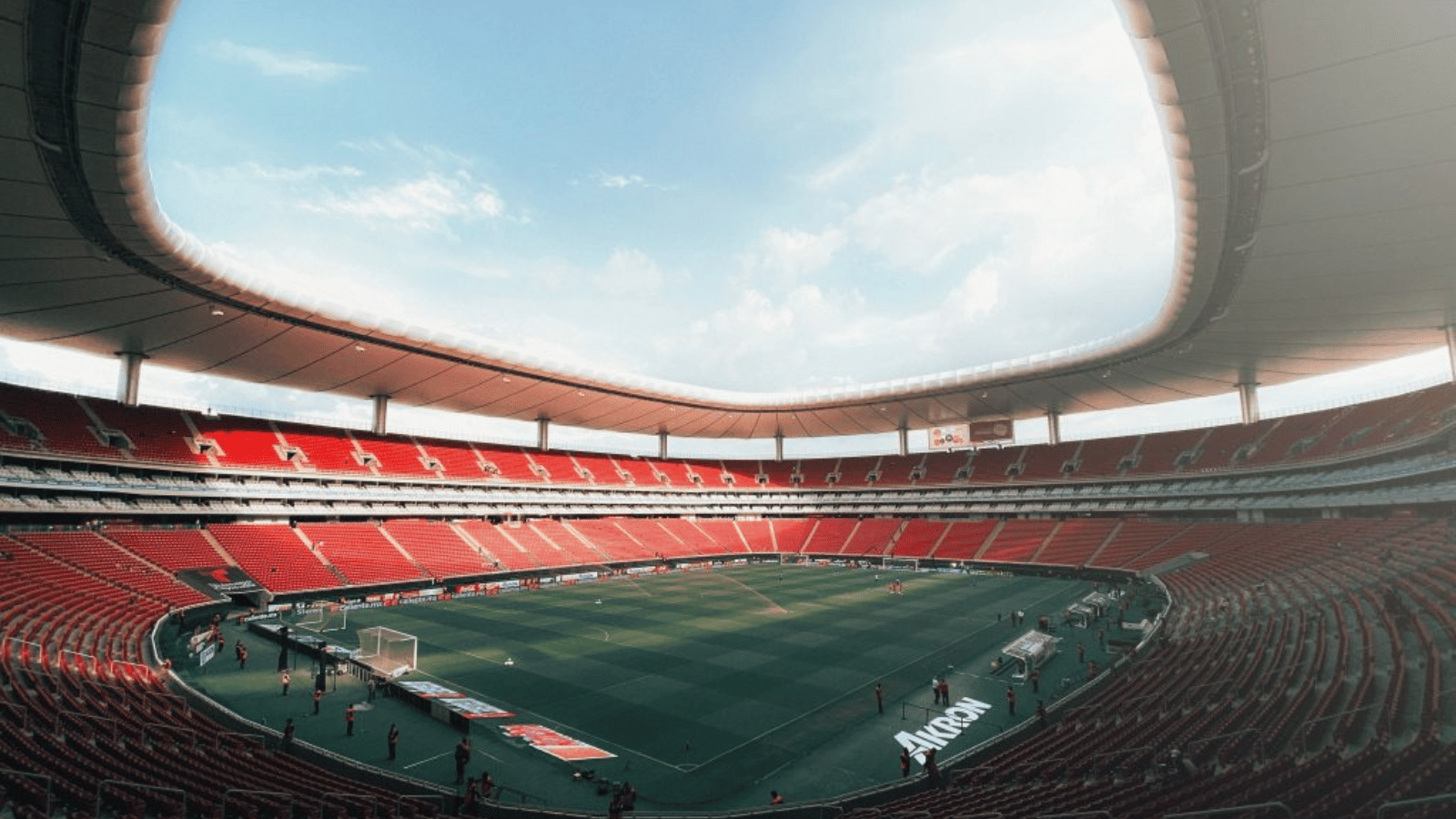
How Smart Water Infrastructure Powers Mega Events
Discover how smart water infrastructure and smart water solutions help mega events improve water safety, monitoring, and operational efficiency.
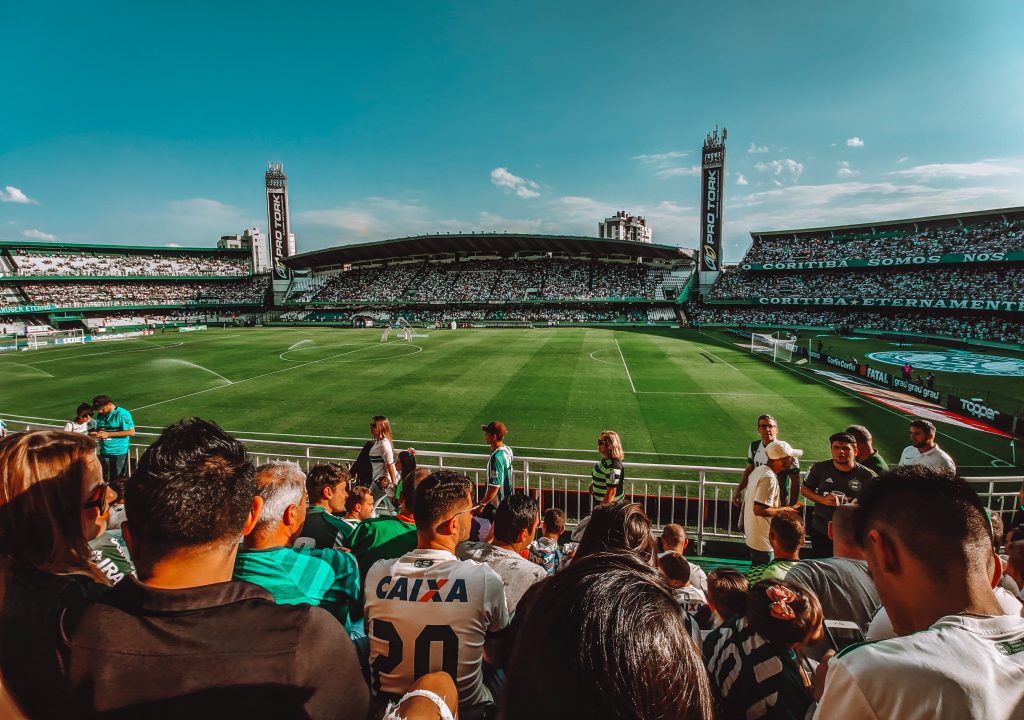
Hydration Breaks at the 2026 FIFA World Cup™
At the 2026 FIFA World Cup™, players will receive a three-minute hydration break in each half of every match. The rule applies uniformly across all venues, regardless of stadium design or temperature.
In high-temperature conditions, hydration is critical to athletes’ performance and health. The same applies to spectators. Modern stadiums therefore provide free drinking water stations in public areas, giving visitors safe and convenient access to drinking water.
But behind every drinking water station is a system that must remain reliable under intense and highly variable demand.
This is where smart water infrastructure becomes increasingly important.
Water Systems Under Extreme Event Conditions
Mega events can bring city-scale population density into a limited space within a short period, creating significant peaks in water demand.
Under these conditions, drinking water systems—including dispensers, temporary networks, and portable drinking water stations—face several operational challenges:
- Delayed detection of filter degradation
- Limited visibility into real-time water demand
- Difficulty forecasting peak consumption
- Reactive rather than predictive maintenance
- Lack of continuous water quality monitoring
Traditional water management approaches can make it difficult to maintain real-time visibility across multiple distributed devices.
For large-scale events, smart water solutions can provide the sensing, connectivity, and data required to monitor water infrastructure continuously.
System visibility and real-time responsiveness therefore become key indicators of operational reliability.tem visibility and real-time responsiveness become core indicators of reliability.
Smart Drinking Water Deployment in Chengdu
During the preparation and operation of the 31st Summer World University Games in Chengdu, China, Goldcard Water Solutions deployed smart drinking water stations across high-traffic public areas.
By integrating IoT, cloud computing, and big data technologies, the system enabled:
- Real-time water usage monitoring
- Online water quality sensing
- Remote equipment status monitoring
- Centralized operational visibility
Instead of relying primarily on manual inspection and experience, operators could use real-time data to understand equipment status and water usage.
This helped shift drinking water management from experience-driven operations to data-driven management, improving operational efficiency and transparency in water safety.a-driven management, improving efficiency and transparency in water safety.
Core Technologies & Design Highlights
The smart drinking water system combines water treatment, intelligent equipment, sensing, and digital management technologies.
Nanofiltration Core Process
Multi-stage precision filtration helps provide reliable drinking water quality for high-demand public environments.
Compact Modular Design
A modular structure supports flexible deployment in different public spaces and event environments.
304 Stainless Steel Housing
The 304 stainless steel housing provides a durable structure for public-use drinking water equipment.
Smart Filter Replacement Alert
Intelligent filter monitoring helps operators identify when filter replacement is required, supporting more proactive maintenance.
Smart Drinking Water Management Platform
A centralized management platform connects distributed drinking water stations and provides visibility into equipment status, water consumption, and operational data.
Together, these technologies form a connected smart water solution rather than a standalone drinking water dispenser.
From Water Supply to Digital Infrastructure
When large populations gather in a concentrated area, water systems become more than physical supply networks. They become digital infrastructure that requires real-time sensing, monitoring, coordination, and decision-making.
The role of water infrastructure is therefore shifting from simply ensuring supply continuity to making system performance more observable, predictable, and controllable.
This is the value of smart water infrastructure for mega events.
Whether supporting a global sporting event, university games, public venues, or other high-density environments, smart water solutions can help operators move from reactive management toward data-driven and proactive operations.
Goldcard Water Solutions continues to explore how IoT, sensing, connectivity, and digital platforms can support safer, more visible, and more efficient water infrastructure.
-
No. 161, Yuancheng Road, Qiantang District, Hangzhou, Zhejiang Province
Gas Solutions
Water Solutions
Process Measurement
Resources
About Goldcard
Copyright © 2025 Goldcard Smart Group Co., Ltd. All Rights Reserved